Comparing Wafer Cookies and Candy Bars for a Satisfying Afternoon Snack
When an afternoon craving hits, the choice often comes down to something sweet and convenient.
Many people reach for a familiar candy bar. Others are drawn to the lighter crunch of a wafer cookie. Both options fill the gap between lunch and dinner, but they differ in how they affect energy levels, satiety, and overall eating habits. Understanding those differences can help you pick the snack that truly fits your afternoon.
Candy bars are built around sugar and fat. A typical bar delivers a quick surge of glucose, which can lift energy for a short time. That spike is often followed by a drop that leaves you reaching for another snack. The texture is dense and chewy, which can feel satisfying in the moment, but the calorie density is high relative to the volume. A single bar may contain as many calories as a small meal, yet it offers little in the way of fiber or protein to keep you full.
Wafer cookies, especially those made with a thin, baked shell and a filling, offer a different structure. The wafer itself is crisp, and the filling is often a spread that provides sweetness without requiring the same sugar load. Because wafers are light and layered, they create a sense of volume that can trick the stomach into feeling fuller. The crunch also slows eating naturally, which gives the brain more time to register satiety. For anyone looking for lower sugar cookie snacks, this kind of treat can be a practical swap.
One important factor is portion size. A candy bar is a single, self-contained unit. It is easy to eat the whole thing without thinking, even if you are not very hungry. Wafer cookies often come in packs with multiple small pieces. That format makes it easier to eat a controlled amount and stop. You can have one or two wafers and save the rest for later. The physical act of opening the pack and taking out a specific number of pieces adds a moment of intention that a candy bar does not require.
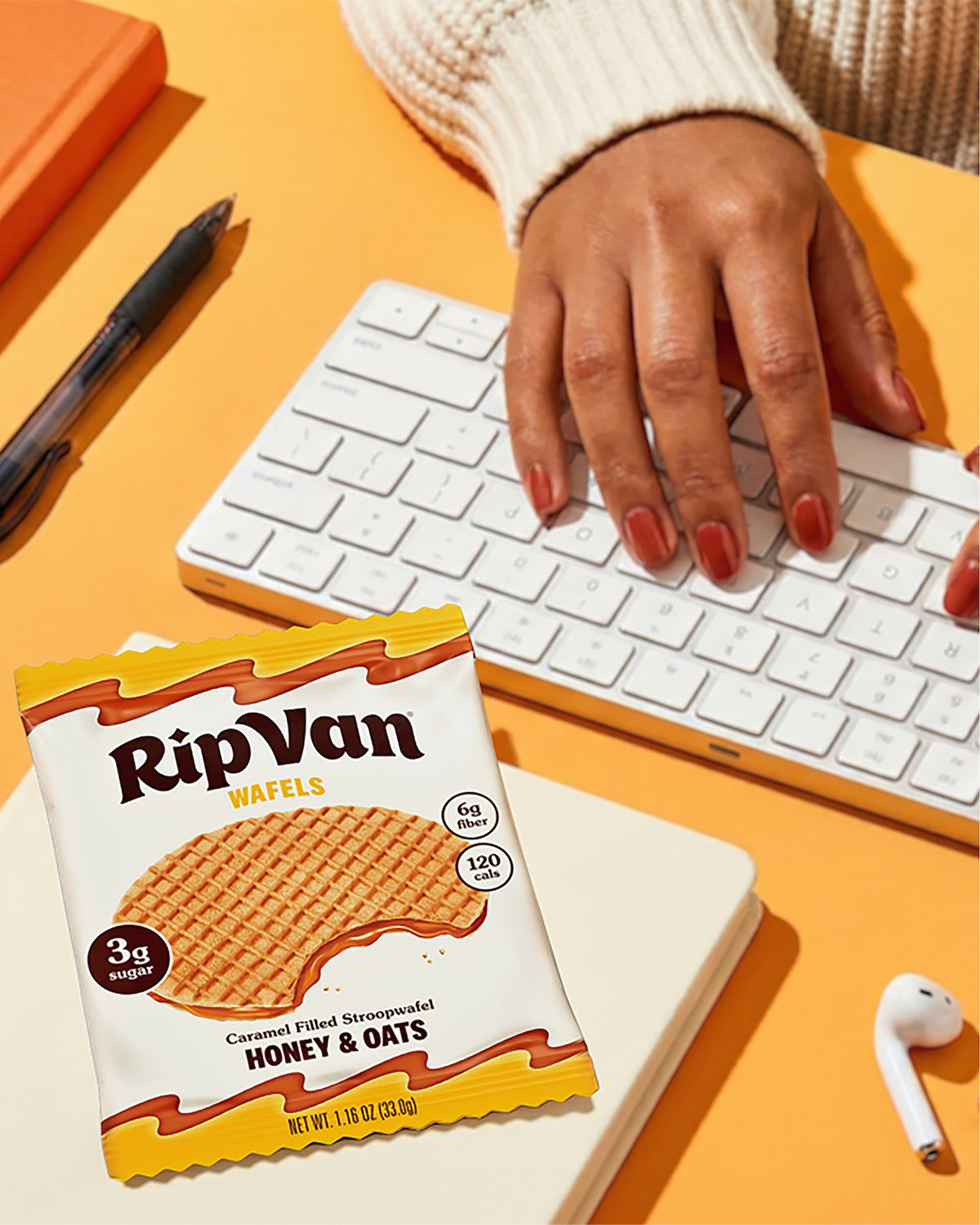
Fiber content is another point where the two snacks diverge. Most candy bars contain little to no fiber. They rely on sugar and fat for their taste and texture. Wafer cookies, particularly those that include added fiber, can contribute to your daily intake. Fiber slows digestion and helps stabilize blood sugar levels, which means the energy from the snack lasts longer. For an afternoon treat, that steadiness can make the difference between powering through the rest of the workday and hitting a slump.
Texture also plays a role in satisfaction. Candy bars are uniform and often sticky. The experience is the same from first bite to last. Wafer cookies offer a contrast between the crisp shell and the softer filling. That variety can make a small snack feel more like a treat. The crunch also requires more chewing, which encourages mindfulness. When you pay attention to what you are eating, you are more likely to feel satisfied with less.
For those who are trying to shift their eating habits over the long term, the choice between these two snacks can become part of a larger pattern. Habit formation research suggests that small, repeated decisions shape what we automatically reach for. If you routinely pick a candy bar, your brain learns to expect that burst of sugar at the same time each day. Substituting a wafer cookie that has less sugar and more fiber can retrain that expectation. Over weeks and months, the lower sugar cookie snacks become the default, and the candy bar starts to feel overly sweet.
That does not mean candy bars have no place. They can be useful when you need a rapid energy boost before exercise or when you have missed a meal and need calories quickly. The dense sugar and fat are effective for that purpose. But for a routine afternoon snack eaten at a desk or at home, the slower, more balanced energy from a wafer cookie often serves the body better. The key is to match the snack to the situation rather than grabbing whatever is closest.
Another detail worth considering is how each snack affects your next meal. A candy bar can blunt your appetite for a short time, but because it digests quickly, you may still feel hungry at dinner. That can lead to overeating later. A wafer cookie, especially one with fiber, tends to keep hunger at bay for longer. You arrive at the dinner table with a moderate appetite, not ravenous. That makes it easier to eat a balanced meal and stop when you are full.
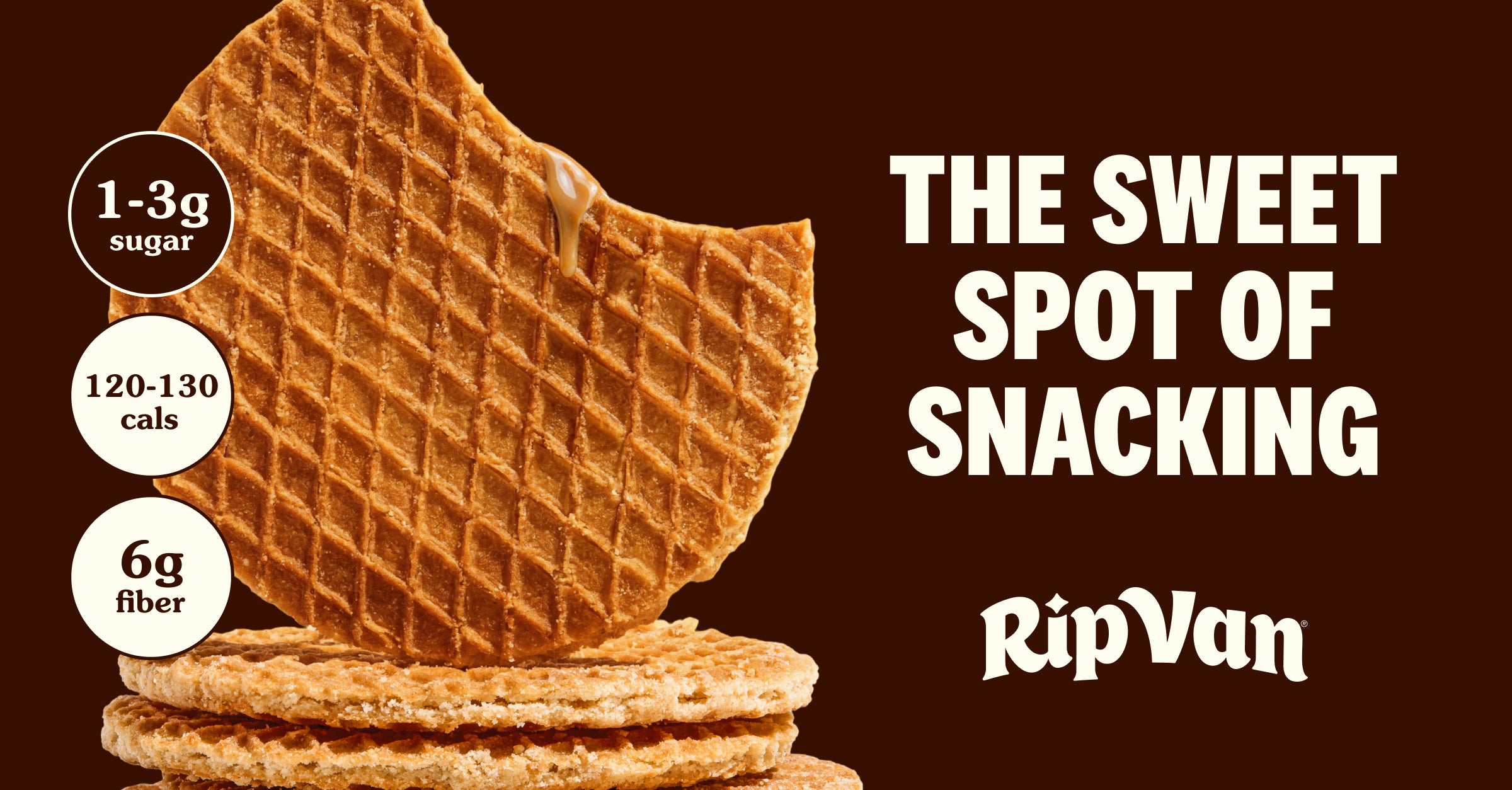
People sometimes worry that swapping a candy bar for a wafer cookie will leave them unsatisfied. The lighter texture and lower sugar can feel unfamiliar at first. But the crunch and the layered structure of a wafer cookie provide a different kind of satisfaction. Many find that the experience of biting through the crisp shell and then tasting the filling is more interesting than the uniform chew of a candy bar. Over time, that interest can make the snack feel more like a treat and less like a quick fix.
For anyone exploring options for lower sugar cookie snacks, it helps to look at the ingredient list. Candy bars often list sugar as the first or second ingredient. Wafer cookies may have sugar lower on the list, and they sometimes include ingredients that add fiber or protein. Reading labels can reveal surprising differences between brands that look similar on the shelf. The goal is to find a snack that tastes good enough to enjoy but does not cause the energy roller coaster that comes with high sugar intake.
One site that offers wafer cookies specifically designed to fit this kind of balanced approach is ripvan.com. They produce Dutch stroopwafels and other filled wafer snacks with chewy centers and added fiber. The format is a thin, crisp wafer with a filling that provides sweetness without the sugar load of a typical candy bar. That makes them a practical choice for an afternoon treat that supports steady energy.
Ultimately, the decision between a wafer cookie and a candy bar comes down to what you want from the snack. If you need immediate, high-density energy and do not mind the crash later, a candy bar can work. If you want a treat that keeps you going through the afternoon without leaving you hungry or wired, a wafer cookie is often the better fit. The crunch, the portion control, and the fiber make it a more sustainable choice for everyday use.
For those who are curious about how such a swap feels in practice, it can be helpful to try it for a week. Replace the usual afternoon candy bar with a wafer cookie and notice how you feel an hour later. Pay attention to your energy level, your hunger at dinner, and your overall mood. Many people find that the wafer cookie leaves them more satisfied in the long run, even though it feels lighter at first. That kind of personal experiment can be more convincing than any general advice.
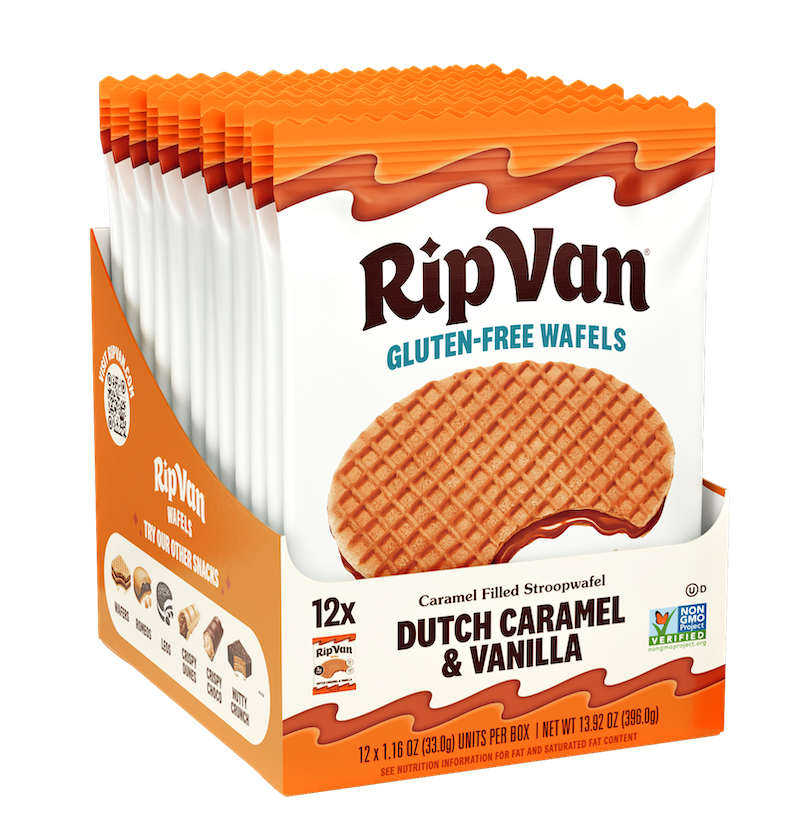
Small changes in snack selection can add up over time. Choosing lower sugar cookie snacks over candy bars is one adjustment that does not require a complete diet overhaul. It is a simple swap that fits into a normal routine. The variety of wafer cookies available, including those from ripvan.com, makes it easy to find a flavor and texture that appeals to you. Once you find one you like, the habit tends to stick.
In the end, the best afternoon snack is the one that supports your energy, your appetite, and your long-term goals without making you feel deprived. Wafer cookies offer a way to enjoy something sweet and satisfying while keeping sugar and calories in check. Candy bars have their place, but for a daily treat, the lighter, crunchier option often wins on practicality and lasting satisfaction.
Ends · SIMPLYSNACKWISE